
How Conroe Moving Handles Last-Minute Moves Efficiently
Relocating to a new home or office is already a complex process that requires careful planning, organization, and coordination. But what happens when the timeline shrinks, and a move becomes urgent? Last-minute moves can be stressful and overwhelming, involving tight schedules, unexpected logistics challenges, and the need for swift decision-making. Whether it’s due to a sudden job relocation, unforeseen lease termination, or unexpected life circumstances, efficiently managing a rapid move requires expertise, experience, and a reliable support system. For many individuals and businesses, the key lies in finding moving services that can adapt to high-pressure scenarios without compromising on quality, safety, or efficiency.
Professional moving companies have developed specialized strategies and streamlined systems to address the unique challenges of last-minute relocations. By leveraging advanced planning techniques, efficient packing methods, and well-coordinated transport solutions, these experts ensure a seamless moving experience even under tight deadlines. Understanding how these services operate, the tools they use, and the best practices they follow can help anyone navigate a fast-paced move with confidence. In this article, we will explore how experienced moving companies manage last-minute relocations, offering actionable insights, real-world scenarios, and practical tips for ensuring a smooth transition.
1. Rapid Planning and Assessment
Initial Consultation and Needs Assessment
The first step in handling a last-minute move efficiently is conducting a rapid but thorough assessment of the client’s requirements. Professional movers immediately gather key information, including the size of the property, the volume and nature of belongings, and any special handling needs. This initial consultation enables movers to determine the manpower, equipment, and vehicles necessary for the job. Unlike standard moves with weeks of planning, last-minute relocations rely on fast, focused evaluation without compromising the accuracy of planning.
Creating a Customized Timeline
Once the assessment is complete, movers develop a streamlined timeline tailored to the urgent schedule. This plan outlines tasks such as packing, loading, transport, and unpacking, with clear deadlines for each stage. By mapping every step, moving teams minimize confusion and avoid bottlenecks. For example, prioritizing essential items like electronics, valuables, or critical office documents ensures that clients have access to their most needed belongings immediately after the move.
Real-World Scenario
Imagine a family receiving notice that their new home is ready to occupy in just 48 hours. A professional moving team would quickly assess the home size, create a plan for packing bedrooms, kitchens, and living areas, and assign crew members to different tasks simultaneously. This methodical approach ensures nothing is overlooked despite the compressed timeframe, demonstrating the importance of rapid planning and assessment in last-minute moves.
2. Efficient Packing Strategies
Prioritization and Sorting
Time is a crucial factor during urgent relocations. Movers employ prioritization techniques to identify which items need immediate attention and which can be handled later. Essential items, fragile possessions, and high-value objects are packed first to reduce the risk of damage and ensure smooth transport. Sorting belongings into categories such as fragile, bulky, or perishable further streamlines the packing process.
Advanced Packing Techniques
Professional movers utilize specialized packing materials, such as reinforced boxes, bubble wrap, and padding, to protect items during hurried moves. They also adopt techniques like wrapping fragile items individually and using wardrobe boxes for clothing to maximize efficiency. These methods minimize the risk of damage while maintaining speed.
Time-Saving Tips
Labeling each box by room and content can save significant time during unpacking. Using clear, color-coded labels or numbering systems allows movers to unload strategically, placing boxes directly in the appropriate rooms. Additionally, pre-assembling necessary packing tools, like tape dispensers and packing materials, ensures that packing starts immediately without delays.
Example from Practice
In commercial moves, urgent relocations of office equipment, servers, and documents are common. A moving team might use rolling carts, protective padding, and pre-labeled boxes to transport critical files without disrupting business operations. This demonstrates that effective packing strategies are not just about speed—they also ensure safety, organization, and accessibility.
3. Skilled Labor and Team Coordination
Experienced Moving Teams
Handling last-minute moves efficiently requires skilled and experienced labor. Professional movers are trained to work under pressure, ensuring that every step—from packing to loading to unloading—is executed seamlessly. Experienced crews anticipate potential obstacles and adapt on the spot, reducing downtime and preventing errors that could delay the move.
Role Allocation
Assigning clear roles within the moving team improves coordination and efficiency. Some team members focus on packing, others on lifting and loading, and others on logistics and scheduling. By operating like a well-oiled machine, the moving crew maximizes productivity and ensures that each task is completed on time.
Communication and Coordination
Constant communication among team members is critical during rapid moves. Using walkie-talkies, mobile apps, or other digital tools, movers coordinate vehicle assignments, loading sequences, and delivery schedules. Effective communication prevents missteps, ensures safety, and maintains the pace required for last-minute relocations.
Real-Life Example
A corporate office needing to relocate due to sudden lease termination relies on movers’ coordination skills to dismantle workstations, pack sensitive equipment, and transport furniture simultaneously. By allocating roles efficiently and communicating clearly, the moving team completes the relocation within the tight deadline, demonstrating the importance of skilled labor and teamwork.
4. Advanced Equipment and Transportation
Specialized Moving Equipment
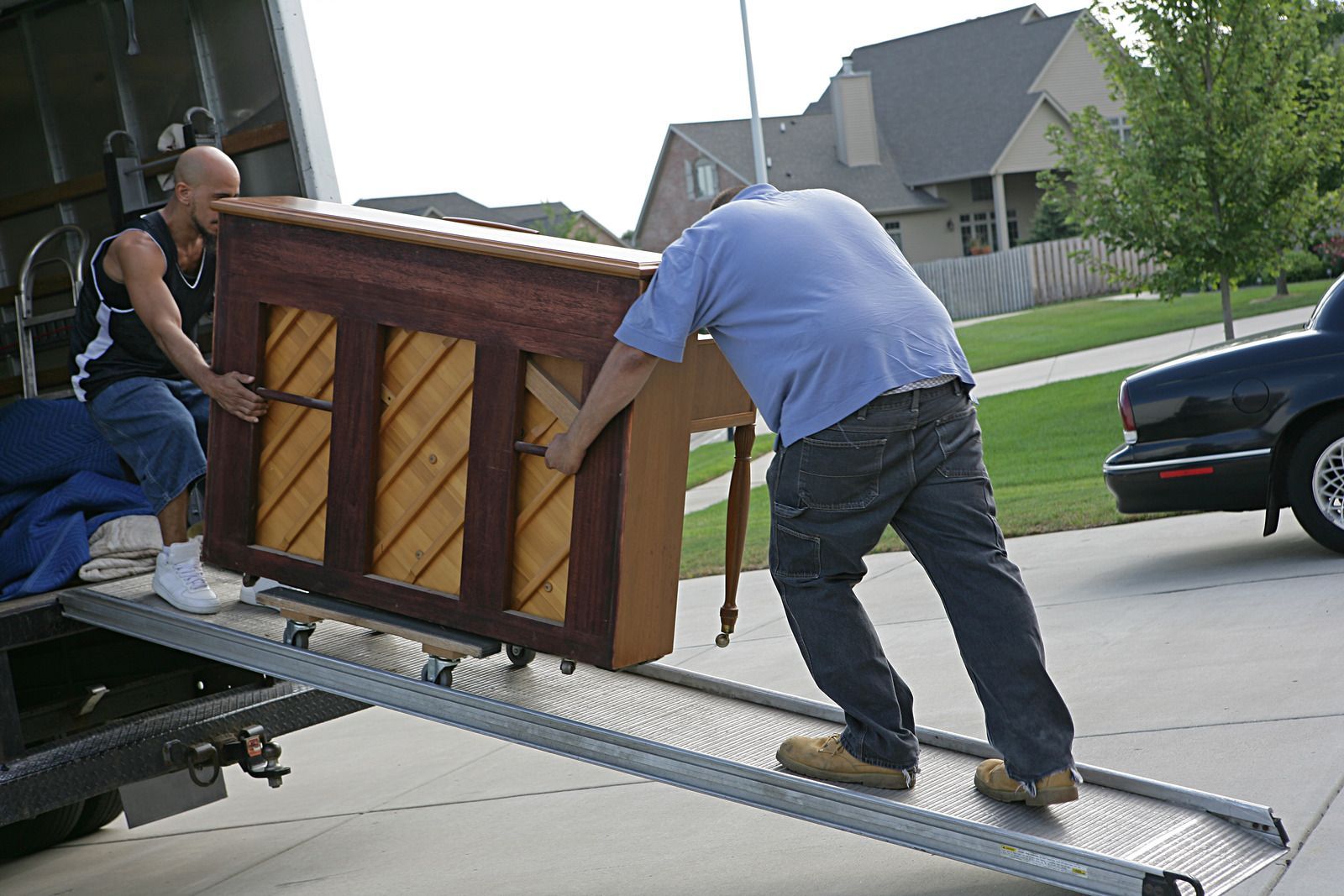
Last-minute moves often involve moving heavy furniture, large appliances, and delicate items quickly. Professional movers use specialized equipment like dollies, hand trucks, hydraulic lifts, and protective blankets to handle items safely and efficiently. This not only speeds up the process but also reduces the risk of injury and property damage.
Fleet Management
Efficient transportation is vital for rapid relocations. Moving companies maintain a fleet of vehicles in various sizes, ready to accommodate different move volumes. Dispatch teams optimize routes based on distance, traffic conditions, and delivery priorities to ensure timely arrivals. Advanced GPS tracking systems allow real-time monitoring, improving coordination and accountability.
Logistics Planning
Last-minute moves often require multiple trips or the use of storage solutions to manage space constraints. Expert movers plan logistics carefully, deciding which items are transported first, which require temporary storage, and how to sequence deliveries for maximum efficiency.
Case Study
Consider a scenario where a family needs to relocate across town within 24 hours due to a job transfer. A professional moving company deploys multiple trucks, each carrying specific categories of items, and uses GPS navigation to avoid traffic delays. Heavy furniture is moved using dollies and protective blankets, ensuring a safe and fast relocation. This demonstrates how advanced equipment and strategic transportation management are essential for last-minute moves.
5. Flexibility and Problem-Solving
Adapting to Unexpected Challenges
Last-minute moves often involve unexpected obstacles, such as last-minute changes in access, building restrictions, or item availability. Professional movers are trained to adapt quickly, finding alternative solutions without compromising the schedule.
Contingency Planning
Having backup plans in place ensures that sudden disruptions do not derail the move. Movers might have reserve crew members, additional packing materials, or alternative transport routes ready. This proactive approach minimizes stress and keeps the move on track.
Practical Examples
A sudden elevator outage in an apartment building could delay furniture movement. Experienced movers quickly implement alternative strategies, such as using stairwell carries with additional manpower or adjusting the moving sequence to prioritize smaller items first. This ability to problem-solve in real-time exemplifies the value of flexibility in urgent relocations.
6. Client Communication and Support
Transparent Communication
Maintaining clear communication with clients is critical for last-minute moves. Movers provide regular updates on progress, estimated arrival times, and any challenges encountered. This transparency reassures clients and allows them to plan around the moving schedule effectively.
Guidance and Support
Professional moving services often offer guidance to clients on how to prepare for an urgent move. Recommendations may include decluttering, pre-packing essential items, and organizing important documents. Providing support reduces confusion and ensures the client’s involvement contributes to an efficient process.
Value of Customer-Centric Approach
By keeping clients informed and supported, moving companies foster trust and minimize stress. Effective communication and assistance transform a potentially chaotic last-minute move into a smooth and manageable experience, demonstrating the company’s commitment to customer satisfaction.
Real-Life Scenario
A young professional relocating to a new apartment within 48 hours benefits from movers who advise on packing essentials, coordinate logistics for large furniture, and provide live updates throughout the move. This ensures a seamless transition without unnecessary stress, highlighting the importance of client communication and support.
Essential Insights from Last-Minute Moving Professionals
Conroe Moving, based in Conroe, Texas, exemplifies expertise in handling last-minute moves with precision and reliability. With 25 years of experience in the moving industry, the company has refined its approach to ensure clients experience seamless relocations regardless of the urgency. Their team combines comprehensive planning, advanced equipment, and skilled labor to tackle challenging timelines efficiently. From residential to commercial moves, we adapt to unique client needs, prioritizes safety, and maintains open communication throughout every step of the process.
What sets us apart is their commitment to client satisfaction and operational excellence. Each move is approached with meticulous attention to detail, from packing fragile items to optimizing transportation routes and coordinating skilled crews. Clients can trust that their belongings are in capable hands, and that the company will deliver results on time and with professionalism. For anyone facing a last-minute move, Conroe Moving
provides the expertise, reliability, and efficiency required to make the process smooth, stress-free, and successful.