
Moving in the Texas Summer Heat? How to Protect Furniture and Electronics
QUICK ANSWER: A closed moving truck sitting in the Texas sun can climb far hotter than the air outside, and that heat targets wood finishes, glued joints, upholstery, and anything with a screen or a battery. The fix isn't avoiding a summer move. It's loading strategically, wrapping the right items in insulating material instead of just padding, and routing your most heat-sensitive pieces around the hottest hours of the day.
The Truck Is Hotter Than the Weather Report
You check the forecast, see a high in the mid-90s, and figure your movers have handled worse. What you don't see is what happens inside a parked box truck with the roll-up door closed. A metal or aluminum box truck sitting in a driveway or parking lot in North Houston in July acts like a greenhouse — sunlight passes through the reflective surfaces, heats the air trapped inside, and has nowhere to vent. Truckers and moving crews who track cab and cargo temperatures with thermometers regularly find the inside running well above the number on your phone's weather app, sometimes by 30 degrees or more once a truck has sat loaded and closed for a couple of hours.
That gap matters because most of your belongings weren't built to sit in an enclosed hot box for the several hours a local move can take, especially if there's a loading stop, a drive across town, and an unloading window at the other end. Furniture and electronics see the highest, most sustained heat of the entire move while they're sitting still in a parked, closed truck — not while they're being carried across a lawn.
TIP:
Ask your moving crew to park the truck in shade whenever possible during loading and to prop the rear door open between trips instead of sealing it shut the moment the first box goes in — a few extra degrees of airflow over a couple hours adds up.
What Sustained Heat Actually Does to Furniture
Solid wood, veneer, upholstery, and leather don't fail all at once in the heat. They degrade in ways that often don't show up until weeks later, after the move is long done and it's harder to trace the cause back to moving day.
Wood veneer is glued to a substrate, usually particleboard or MDF, with an adhesive that's rated for a normal indoor temperature range. When that furniture sits in truck heat for hours, the adhesive can soften and lose grip, and as the piece cools back down unevenly, the veneer can bubble, lift at the edges, or separate from the substrate entirely. Dressers, headboards, and TV stands with veneer surfaces are the pieces most at risk, and lifted veneer is the kind of damage that's difficult and often not worth repairing once it's happened.
Solid wood furniture has its own version of the same problem. Joints held together with wood glue — chair legs, table aprons, the corners of dresser frames — depend on stable temperature and humidity to keep their bond. Extreme heat combined with Texas humidity, and then a sudden drop back into an air-conditioned house, puts real stress on those joints. Wood also expands and contracts with heat and moisture, and a tabletop or cabinet door that's been baking in a truck can develop cracks or warping that wasn't there that morning.
Upholstered furniture and leather pieces react differently but just as badly. Fabric upholstery exposed to prolonged heat can experience color fading and fiber breakdown, especially if any part of the piece has direct sun exposure through a truck window or open door. Leather is more sensitive still. Heat pulls moisture out of leather, and a couch or accent chair that goes from a comfortable living room straight into a hot truck for several hours can come out the other end with the beginnings of cracking or a stiff, dried feel that only gets worse over time. Once leather starts to crack, it doesn't reverse.
Why Electronics Are Even Less Forgiving
If furniture damage is often gradual, electronics can fail outright, and the warning signs are less visible until the device is already plugged in at the new house.
Flat-screen TVs are one of the most heat-sensitive items in any move. LCD and LED panels are built around liquid crystal layers and backlighting components that have a defined operating and storage temperature range, and prolonged exposure above that range can cause discoloration, dead pixels, or panel warping that shows up as soon as the screen is powered on. A TV that spends a summer afternoon in a hot truck, especially if it's anywhere near a spot where sunlight hits it directly through a door or window, is being pushed toward the upper edge of what the panel was ever designed to tolerate.
Laptops, tablets, gaming consoles, and anything else with a lithium-ion battery carry a second risk on top of the screen concern. Lithium batteries are sensitive to heat, and prolonged exposure to high temperatures can accelerate battery degradation, cause the battery to swell, or in rare cases create a safety hazard. A device that's been sitting in a hot truck for hours may seem fine visually but show reduced battery life or performance issues going forward — damage that a manufacturer's warranty typically won't cover, since heat exposure during a move falls outside normal use.
There's also a moisture problem that's easy to overlook. Texas summers pair high heat with high humidity, and electronics that go from an air-conditioned home into a hot, humid truck, or the reverse, from a hot truck into a cool air-conditioned house, can experience condensation forming inside the casing as the temperature equalizes. That trapped moisture is a real concern for circuit boards and connections, and it's one more reason electronics deserve different handling than a box of kitchen dishes.
WARNING: Never leave a laptop, game console, or other battery-powered device sitting on a truck's metal floor or against an exterior wall panel in direct sun, even briefly during loading — that surface can run significantly hotter than the surrounding air and concentrates heat exactly where the battery sits.
Packing and Loading Choices That Actually Reduce Heat Exposure
Most of the protection that matters happens before the truck ever pulls away, in how items are wrapped and where they're placed.
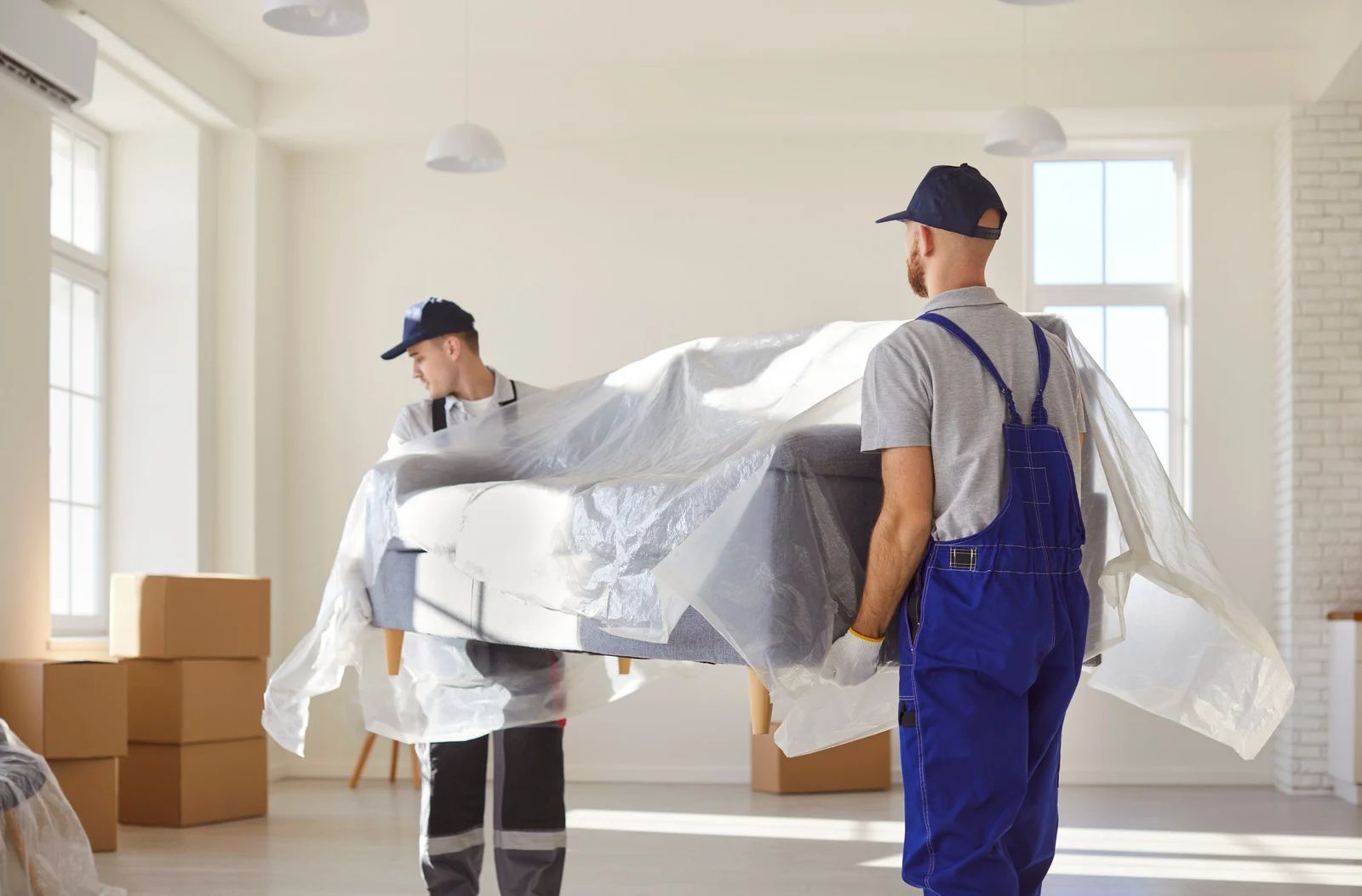
Padding and insulating are two different jobs, and it's worth knowing the difference. Standard moving blankets and bubble wrap are built to absorb impact. They cushion against bumps and scrapes but do very little to slow heat transfer. For your most heat-sensitive furniture, a layer that actually insulates, like a thicker quilted moving pad wrapped snugly with minimal air gaps, does more to buffer the piece from ambient truck heat than a thin layer of stretch wrap ever will. For electronics, the original manufacturer box and foam inserts remain the best option when you still have them, because that packaging was engineered specifically to manage both impact and temperature swings.
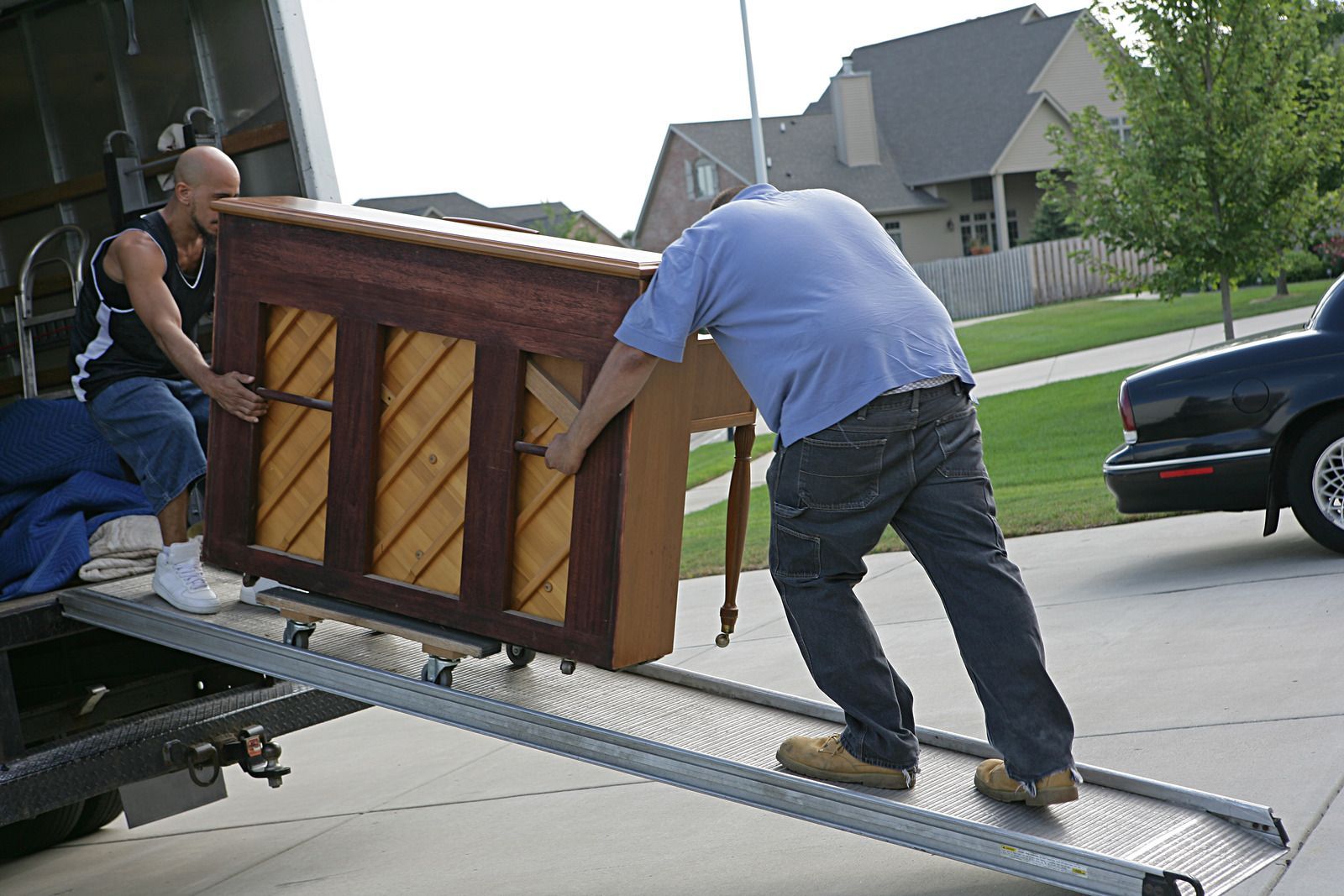
Where an item sits inside the truck matters almost as much as how it's wrapped. Furniture and electronics placed against the truck's outer walls or directly under the roof are exposed to more radiant heat than items loaded toward the center of the load, surrounded by other boxes and furniture that act as a buffer. Crews who load with heat in mind will position heat-sensitive pieces centrally and save the wall space for items that tolerate temperature swings better, like hardware boxes or patio furniture.
Timing is another lever you actually control. If you're coordinating your own move date or working with movers on scheduling around Conroe, Spring, The Woodlands, or Montgomery, an early-morning loading start beats a midday one every time in summer. Getting furniture and electronics loaded, and the truck moving with airflow, before the truck has had a chance to sit closed under a rising sun keeps peak heat exposure shorter. If your move involves any gap between loading and departure — waiting on a second truck, finishing a walkthrough, or handling paperwork — ask whether the truck can stay partially open or parked in shade during that gap rather than sealed up in the sun.
For the items that simply can't take the risk, a gaming PC, an antique piece with existing veneer damage, a collection of family electronics, moving them in an air-conditioned personal vehicle instead of the moving truck is often the simplest solution. It removes the heat variable entirely for the pieces where a failure would be hardest to accept, and it's a reasonable ask even when the rest of the household goods travel by truck.
What a Heat-Smart Load Looks Like on a Texas Moving Day
A move that accounts for heat looks a little different from a standard load-and-go. Expect a walkthrough beforehand that flags which pieces need extra wrapping or central placement — a veneer bedroom set, a leather sofa, the home theater equipment. Expect crews to handle electronics as a separate category, keeping TVs upright and out of direct sun during the carry from house to truck rather than staging them curbside while other items get loaded. And expect some flexibility on timing, since a truck that's been loaded and ready to roll by mid-morning has already avoided the worst of the afternoon heat buildup that peaks across Conroe, Willis, Magnolia, and the rest of North Houston by early afternoon in July and August.
None of this means summer is a bad time to move. It's simply the busiest season for a reason, and most moves through the region happen without incident. It just means the details of wrapping, placement, and timing carry more weight than they would in October. A crew that treats a veneer dresser and a box of hardware the same way in August is skipping a step that matters; one that doesn't is the difference between furniture that looks the same at the new address and furniture that needs repair a month later.
Frequently Asked Questions
How long can furniture safely sit in a hot truck during a Texas summer move?
There's no fixed safe number, since heat buildup varies with truck color, sun, and how long doors stay closed. Shorter is always better. A load-and-go move with airflow beats a sealed truck baking in the sun.
Should I pack electronics separately from furniture on moving day?
It's worth treating them as their own category instead of mixing them into furniture wrapping. Electronics benefit from original boxes, placement away from exterior walls, and for sensitive items like gaming PCs, an air-conditioned vehicle instead.
Does humidity make heat damage worse during a summer move?
Yes, and it's easy to underestimate. Texas humidity combined with high heat accelerates softening of wood glue and veneer adhesives, and raises the risk of condensation inside electronics moving between a cool home and hot truck.
Planning Around the Heat for a Smoother Move
A summer move in Texas comes down to preparation far more than luck. The heat inside a closed truck is real, and it works quietly on wood, leather, and electronics long after the last box gets unpacked. Knowing which pieces need true insulation, where they belong inside the load, and when the truck should already be rolling gives you control over the one variable that catches most people off guard when they trust the forecast alone and nothing else.
With 25
years of experience moving families throughout Conroe, TX, Conroe Moving
treats a veneer dresser and a leather sofa differently than a box of hardware because the difference tends to show up weeks later at the new address. The wrapping, the placement, and the timing all carry more weight in July than they ever would in fall, and a crew that builds those choices into the day is what keeps a few hours of summer heat from quietly turning into lasting damage.